Why More Health Data Doesn't Always Mean Better Health
By Dr. Michael Barnish, Director of Precision Health
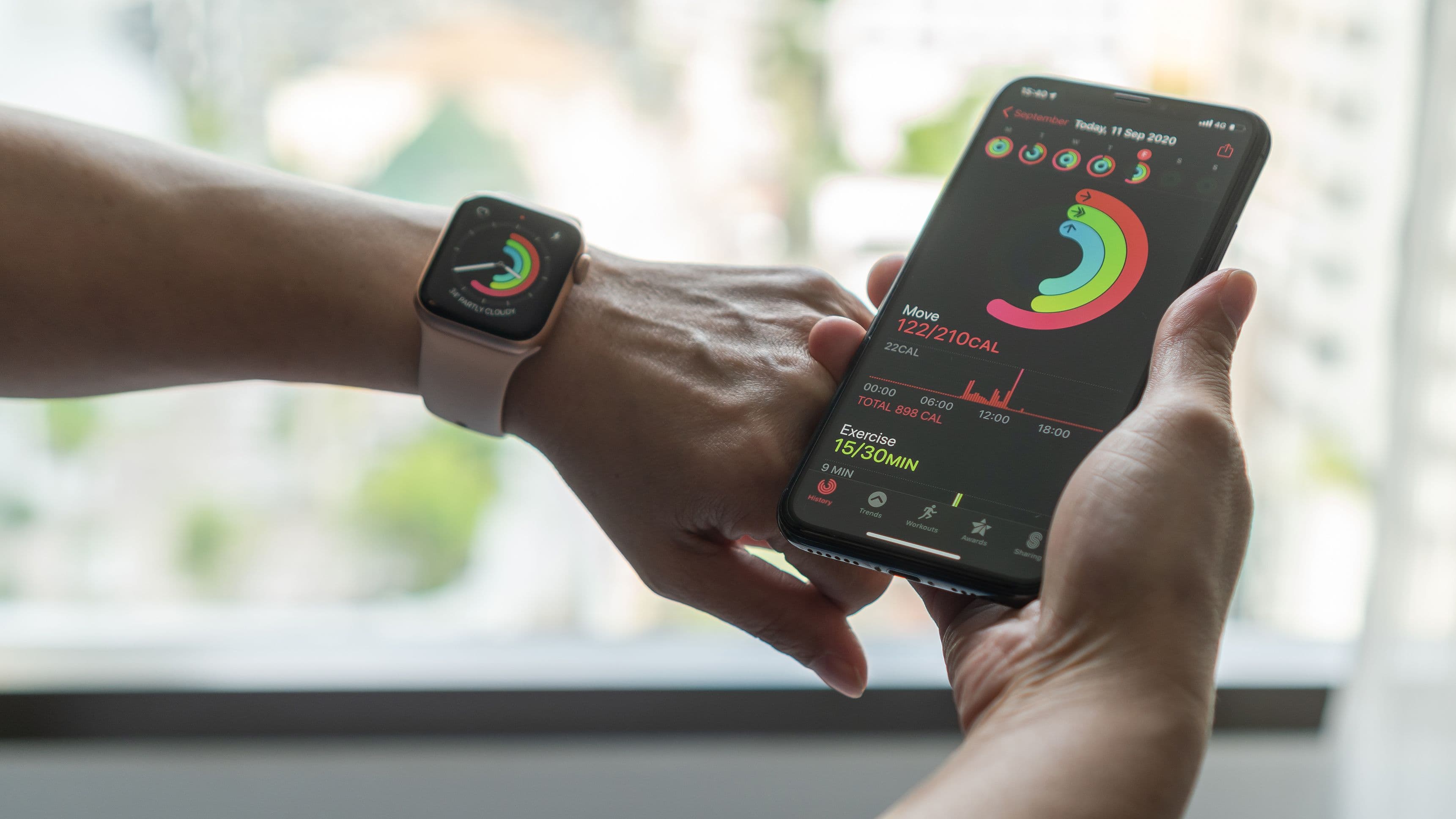
Most people do not need more health data. They need a clearer way to use the data they already have. That information may come from blood tests, wearable devices, glucose patterns, sleep metrics, symptoms, or performance measures. Taken together, this is biodata. The aim is not simply to accumulate more measurements, but to use relevant data to support better decisions over time. When approached in this way, health optimization becomes a structured process of testing, refining, and evaluating progress.
Biodata is most useful when treated as a feedback loop
Using biodata properly involves more than reviewing a dashboard or an isolated report. It requires a repeatable process: measure, interpret, intervene and reassess. We gather relevant information, interpret it in context, make a targeted change, then review whether that change has produced a meaningful effect. This is the difference between possessing data and using it well.
Recent research supports this approach, while also highlighting an important limitation. Patient generated health data can improve care and decision making, but their value often diminishes when they are poorly integrated, presented unclearly, or difficult to interpret within clinical workflows. More data do not automatically lead to better decisions.
One data point is rarely enough
A single glucose spike, one poor night of sleep, one low HRV reading, or one biomarker slightly outside range may reflect stress, timing, recent behaviour, device limitations, or normal day to day variation. Meaningful decisions depend on patterns, context, and direction of change.
This is where people can be misled. Research into wearables and digital biomarkers is advancing quickly, but recent work also shows that the methods used to collect, validate, and interpret these data are still developing. The more useful question is rarely, “What does this number say?” It is, “What does this pattern mean, and what decision does it support?”
Useful biodata should inform the next decision
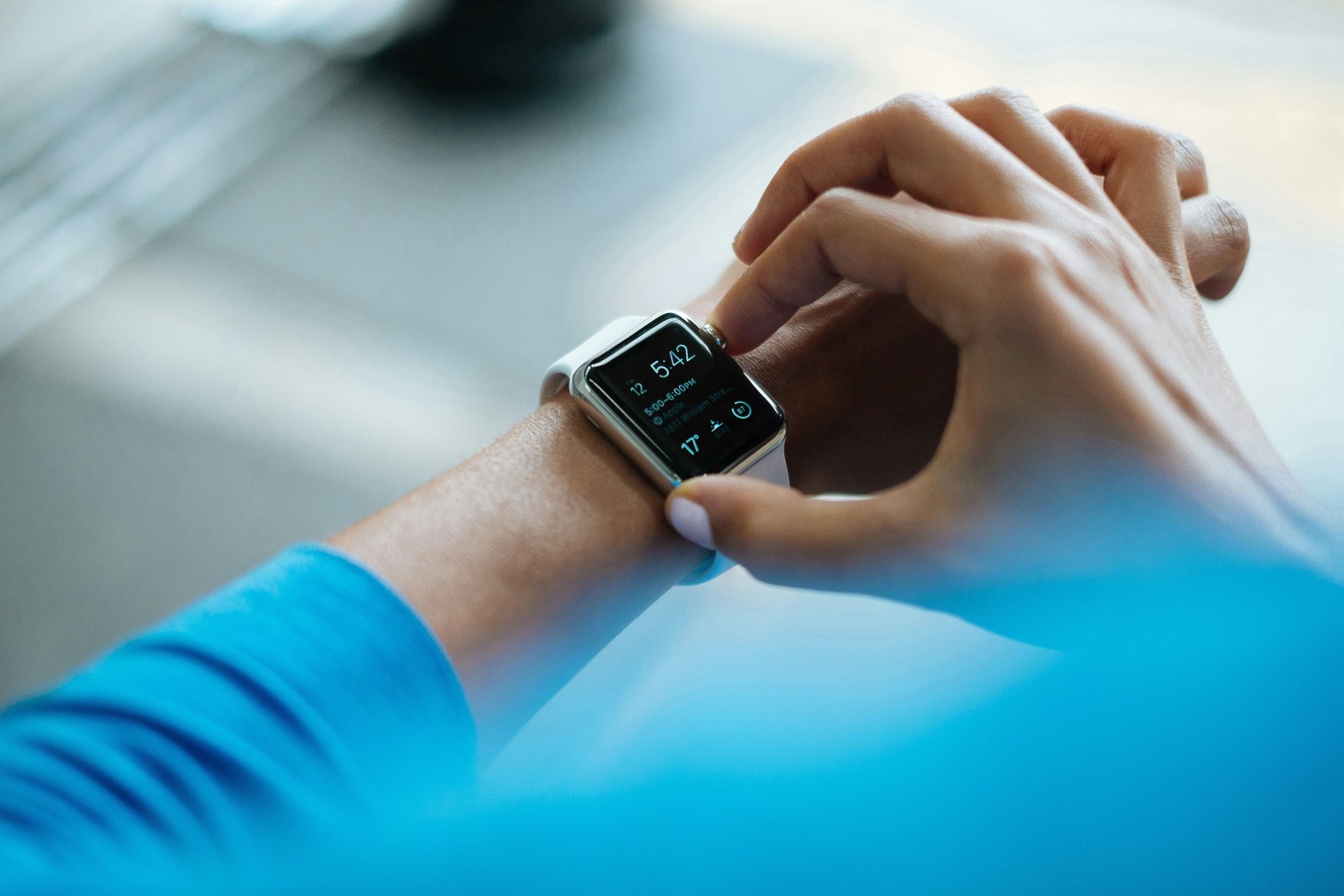
The most valuable data are the data that lead to a practical adjustment.
Nutrition provides a clear example. People do not all respond to the same foods in the same way, so glucose responses can sometimes help refine food choices. Recovery is another example. HRV trends may help guide training load or recovery strategies more intelligently than relying on assumptions alone. Blood biomarkers can also help identify micronutrient insufficiencies or other inefficiencies that might otherwise remain unnoticed.
The key point is straightforward. Data are useful when they help determine what should happen next. If they do not influence behaviour or decision making, they may still be interesting, but they are not yet contributing to optimization.
Measurement helps determine whether an intervention is working
Without measurement, health advice can easily remain at the level of, “This should work.” Biodata allows us to ask a more rigorous question, “Is it working for this person?”
That might involve improved glucose stability following a dietary change, better recovery after adjusting training load, or a favourable shift in a target biomarker after nutritional support. However, numbers alone are not sufficient. Real world outcomes still matter. Better energy, better recovery, better sleep, fewer symptoms, and stronger day to day function are all part of the picture.
Optimization is iterative
There is rarely a perfect plan at the outset. Lifestyle changes, stress changes, routines change, and physiology adapts. An approach that works very well in one phase of life may be less effective in another. For that reason, optimization has to be iterative. Biodata allows earlier identification of inefficiencies, more precise adjustment of interventions, and a clearer way to judge whether progress is genuine.
It also supports personal calibration. Over time, it becomes easier to distinguish which inputs are helpful, which are unhelpful, and which signals are genuinely worth monitoring.
Biodata still requires judgement
This is an important point. Biodata are only useful when the signal is clear enough to support a sensible decision. That means choosing markers that are relevant, modifiable, and connected to an outcome that matters. It also means recognizing where enthusiasm may be moving ahead of the evidence.
Continuous glucose monitoring in people without diabetes is a good example. It may prove useful in selected settings, but recent work suggests that the evidence base remains limited, clinical benchmarks are still underdeveloped, and even experts do not always agree on how some reports should be interpreted. That does not make it without value. It means it should be used selectively and interpreted carefully.
Biodata connects clinical insight with daily life
Perhaps the most valuable role of biodata is that it helps connect the clinic with everyday experience. It can help explain why someone feels the way they do. It can clarify why two people following the same plan may achieve different results. Most importantly, it makes health more practical, because the discussion moves away from generic advice and towards what is happening in the individual in front of us.
This is where biodata is most powerful, as a tool that can make health more personal, more precise, and more actionable.
Final thought
Biodata does not optimize health on its own. Interpretation, clinical judgement and real life all play important parts in optimising someone to their health related goals.
Used well, biodata creates a feedback loop that is considerably more informative than trial and error alone. It helps us identify inefficiencies earlier, tailor interventions more precisely, and assess whether what we are doing is genuinely helping. That is the real promise of measurable health optimization.
References
1. Nittas V, Lun P, Ehrler F, Puhan MA, Mütsch M. Electronic Patient Generated Health Data to Facilitate Disease Prevention and Health Promotion: Scoping Review. J Med Internet Res. 2019;21(10):e13320. doi:10.2196/13320.
2. Potter T, Vieira R, de Roos B. Perspective: Application of N of 1 Methods in Personalized Nutrition Research. Adv Nutr. 2021;12(3):579 to 589. doi:10.1093/advances/nmaa173.
3. Zeevi D, Korem T, Zmora N, et al. Personalized Nutrition by Prediction of Glycemic Responses. Cell. 2015;163(5):1079 to 1094. doi:10.1016/j.cell.2015.11.001.
4. Mendes Soares H, Raveh Sadka T, Azulay S, et al. Assessment of a Personalized Approach to Predicting Postprandial Glycemic Responses to Food Among Individuals Without Diabetes. JAMA Netw Open. 2019;2(2):e188102. doi:10.1001/jamanetworkopen.2018.8102.
5. Kiviniemi AM, Hautala AJ, Kinnunen H, Tulppo MP. Endurance Training Guided Individually by Daily Heart Rate Variability Measurements. Eur J Appl Physiol. 2007;101(6):743 to 751. doi:10.1007/s00421-007-0552-2.
6. Düking P, Zinner C, Trabelsi K, Reed JL, Holmberg HC, Kunz P, Sperlich B. Monitoring and Adapting Endurance Training on the Basis of Heart Rate Variability Monitored by Wearable Technologies: A Systematic Review With Meta analysis. J Sci Med Sport. 2021;24(11):1180 to 1192. doi:10.1016/j.jsams.2021.04.012.
7. Picó C, Serra F, Rodríguez AM, Keijer J, Palou A. Biomarkers of Nutrition and Health: New Tools for New Approaches. Nutrients. 2019;11(5):1092. doi:10.3390/nu11051092.
8. Cho S, Ensari I, Weng C, Kahn MG, Natarajan K. Factors Affecting the Quality of Person Generated Wearable Device Data and Associated Challenges: Rapid Systematic Review. JMIR Mhealth Uhealth. 2021;9(3):e20738. doi:10.2196/20738.
9. West P, Van Kleek M, Giordano R, Weal M, Shadbolt N. Information Quality Challenges of Patient Generated Data in Clinical Practice. Front Public Health. 2017;5:284. doi:10.3389/fpubh.2017.00284.
10. Petersen C. Use of Patient Generated Health Data for Shared Decision Making in the Clinical Environment: Ready for Prime Time. Mhealth. 2021;7:39. doi:10.21037/mhealth.2020.03.05.
11. Staehelin D, Dolata M, Stöckli L, Schwabe G. How Patient Generated Data Enhance Patient Provider Communication in Chronic Care: Field Study in Design Science Research. JMIR Med Inform. 2024;12:e57406. doi:10.2196/57406.
12. Keeling A, Downey J, Halkes M, Wei Y. The Impact of Patient Generated Health Data From Mobile Health Technologies on Health Care Management and Clinical Decision Making: Narrative Scoping Review. J Med Internet Res. 2025;27:e77359. doi:10.2196/77359.
13. Daniore P, Nittas V, Haag C, Bernard J, Gonzenbach R, von Wyl V. From Wearable Sensor Data to Digital Biomarker Development: Ten Lessons Learned and a Framework Proposal. npj Digit Med. 2024;7:161. doi:10.1038/s41746-024-01151-3.
14. Oganesova Z, Pemberton J, Brown A. Innovative Solution or Cause for Concern? The Use of Continuous Glucose Monitors in People Not Living With Diabetes: A Narrative Review. Diabet Med. 2024;41:e15369. doi:10.1111/dme.15369.
15. Spartano NL, Prescott B, Walker ME, Shi E, Venkatesan G, Fei D, et al. Expert Clinical Interpretation of Continuous Glucose Monitor Reports From Individuals Without Diabetes. J Diabetes Sci Technol. 2025 Feb 12:19322968251315171. doi:10.1177/19322968251315171.
16. Martinsen T, Brennan L. Key Evidence for Personalised Nutrition: A Review of Randomised Controlled Trials. Food Funct. 2026;17:646 to 658. doi:10.1039/D5FO02969D.
Subscribe to our newsletter
Get the latest articles and updates straight to your inbox.
SIMILAR NEWS

Can Glutathione Help With Skin Pigmentation And Psoriasis?

Coffee. Is It Good Or Is It Bad? The Verdict
SEPTEMBER 29, 2020
It is an age-old question. Is coffee good or is it bad for you. Well the answer is absolutely locked within your genes. Genetic advances have made it now common place to explore the secrets within your genetic make-up. Revealing whether coffee is good or bad for you is one of the nuggets of information that can be discovered.