Pill Fatigue: Are We Taking Too Many Supplements?
By Dr. Mahsa Sheikh, Head of Research at REVIV
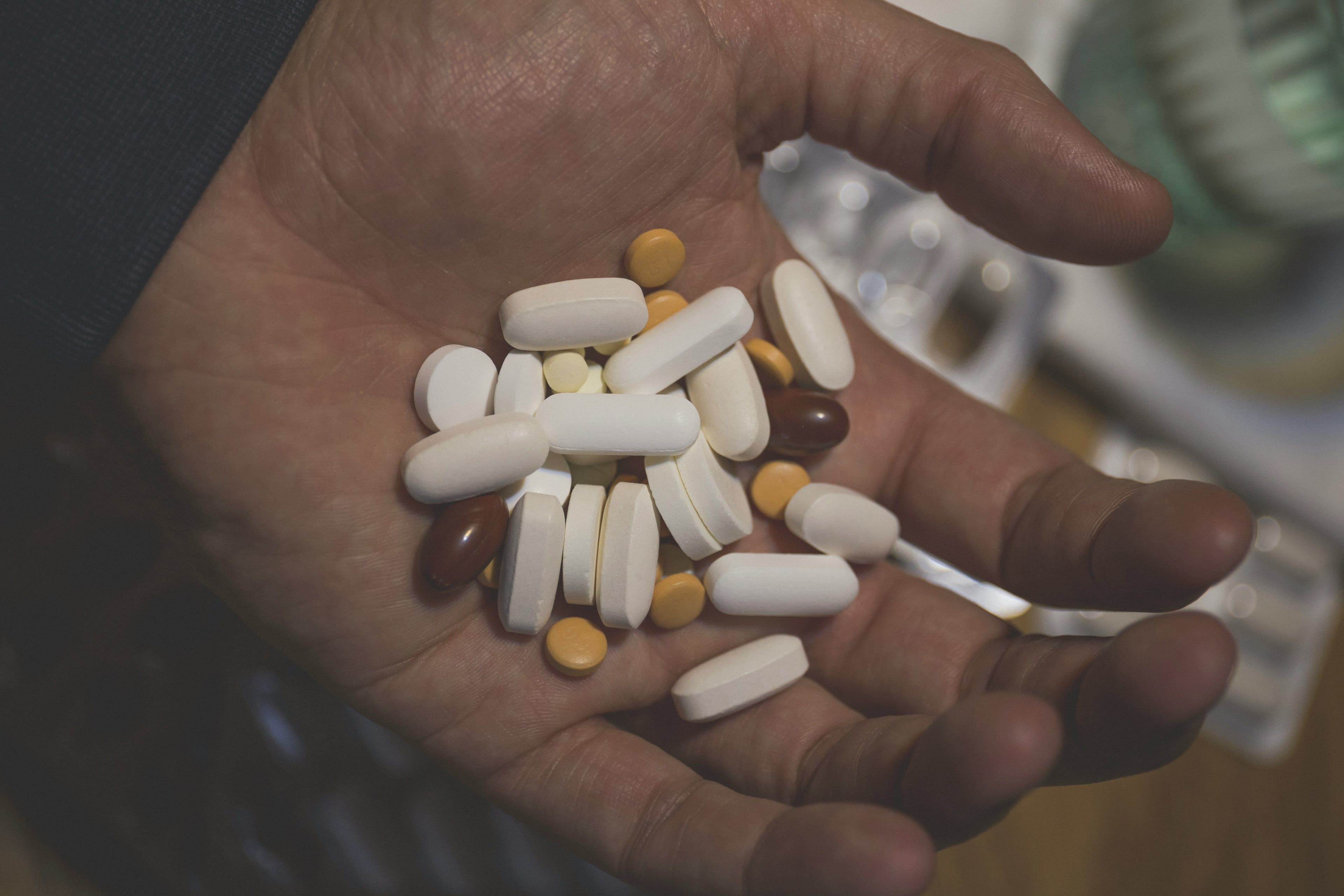
Personalized health has encouraged people to become more proactive about their wellbeing, and supplements now form part of many daily routines. Products are available for almost every goal, from improving energy, sleep and concentration to supporting immunity, digestion and healthy ageing. Used appropriately, supplements can be valuable, particularly when they address a genuine deficiency, a specific clinical need or an increased requirement linked to diet or life stage. However, the rapid expansion of the supplement market has also created a new challenge: many people are gradually building increasingly complicated routines without knowing which products they genuinely need.
Supplement use has become both more common and more diverse. Recent United States data show that the proportion of adults using supplements has risen over the past 25 years, while the percentage taking four or more products has almost doubled. At the same time, consumers have moved away from simpler multivitamins towards combinations of individual vitamins, minerals, botanicals, probiotics and other targeted products. This reflects growing interest in personalized wellness, but much of this personalization remains self-directed and influenced by advertising, social media and online recommendations rather than clinical assessment.
This is where the idea of “pill fatigue” becomes relevant. Although it is not a formal medical diagnosis, the underlying experience is well recognized through research on pill burden, treatment burden and regimen complexity. Studies of prescription medicines consistently show that adherence falls as the number of daily doses increases. One systematic review found that average adherence declined from 79% with once-daily dosing to 51% when treatment had to be taken four times a day. Supplements can create similar practical pressures, particularly when people must manage different timings, take some products with food, separate others from medicines and remember several doses throughout the day.

The burden is not only physical, it also involves the mental effort of organizing products, purchasing replacements, interpreting conflicting advice and deciding whether each supplement is still necessary. When a routine becomes too complicated, people may take products inconsistently, abandon the regimen altogether or become less adherent to medication with a clear clinical purpose.
Taking more supplements does not necessarily produce better results. As the number of products increases, so does the risk of duplication, excessive intake, adverse effects and interactions. In a study of more than 26,000 supplement users, 18% reported at least one adverse effect, with risk increasing among those taking a greater number of products. Supplements may also interact with prescribed medicines, including anticoagulants, cardiovascular treatments, antidepressants and diabetes medication. These risks are particularly important for older adults and people already managing several health conditions.
There is also a danger that supplementation can distract from the foundations of health. Population studies often show that supplement users are generally more health-conscious than non-users, so it would be misleading to suggest that most are neglecting their wellbeing. However, experimental research has identified a possible “licensing effect”, whereby taking a supplement creates a sense of protection that may subtly reduce motivation to exercise or maintain other healthy behaviours.
Supplements should support, rather than replace, a strong health foundation. They cannot fully compensate for inadequate sleep, low physical activity, poor diet, smoking, excessive alcohol intake or unmanaged stress. These behaviours affect multiple biological systems and remain central to long-term health.
A genuinely personalized approach should therefore focus on relevance rather than quantity. Before adding a supplement, it is worth asking what specific need it is intended to address, whether there is credible evidence for that purpose and whether the need is supported by symptoms, dietary assessment, clinical risk factors or an appropriate biomarker. It is equally important to consider whether the product duplicates another supplement, could interact with medication or still needs to be taken at all.
Testing and biomarkers can make supplementation more precise when they are clinically targeted. They may help identify deficiencies such as iron or vitamin B12 deficiency in people with symptoms or recognized risk factors. However, broad testing in otherwise healthy individuals can produce findings that are difficult to interpret and may lead to unnecessary treatment. Results should always be considered alongside symptoms, diet, medical history and medication use.
A sustainable supplement strategy is often simpler than the routines promoted online. It begins with diet, sleep, movement, hydration and other foundational behaviours, then adds supplementation where there is a documented deficiency, a restricted diet, a particular life stage or another evidence-supported indication. Where several products are justified, the routine should be made as straightforward as possible and reviewed regularly with an appropriately qualified healthcare professional.
More is not always better. Precision health is not about building the largest possible supplement stack, but about identifying what an individual genuinely needs, selecting interventions supported by evidence and removing unnecessary complexity. The most effective routine is the one that is relevant, safe, practical and sustainable.
References
- Claxton AJ, Cramer J, Pierce C. A systematic review of the associations between dose regimens and medication compliance. Clinical Therapeutics. 2001;23(8):1296–1310.
- Lam CS, O’Connell K, Monroy-Iglesias MJ, et al. Emerging patterns in dietary supplement use among US adults, 1999–2023. JAMA Network Open. 2026.
- Pantuzza LL, Ceccato MDGB, Silveira MR, Junqueira LMR, Reis AMM. Association between medication regimen complexity and pharmacotherapy adherence: a systematic review. European Journal of Clinical Pharmacology. 2017;73:1475–1489.
- Knapik JJ, Trone DW, Steelman RA, Farina EK, Lieberman HR. Adverse effects associated with multiple categories of dietary supplements: the Military Dietary Supplement Use Study. Journal of the Academy of Nutrition and Dietetics. 2022.
- Dickinson A, MacKay D. Health habits and other characteristics of dietary supplement users: a review. Nutrition Journal. 2014;13:14.
- Chiou WB, Yang CC, Wan CS. Ironic effects of dietary supplementation: illusory invulnerability created by taking dietary supplements licenses health-risk behaviours. Psychological Science. 2011;22(8):1081–1086.
- Allen LH. Micronutrients: assessment, requirements, deficiencies and interventions. New England Journal of Medicine. 2025.
- Ronis MJJ, Pedersen KB, Watt J. Adverse effects of nutraceuticals and dietary supplements. Annual Review of Pharmacology and Toxicology. 2018;58:583–601.
Subscribe to our newsletter
Get the latest articles and updates straight to your inbox.
SIMILAR NEWS

Inside Your Cells: Understanding Energy, Immunity, and Longevity

NAD+ IV Drip Therapy Now At REVIV!
DECEMBER 21, 2022
REVIV are excited to shout about the fact that NAD+ IV drip therapy is now available in all REVIV clinics across the USA and UK. So, what is NAD+ and why is it so hot right now? REVIV takes a closer look into what NAD+ is, explores the research and the potential benefits.

Preventative Health: The Future Approach To Managing Your Health
SEPTEMBER 16, 2020
Dr Michael Barnish
Preventative Health simply refers to anticipatory measures or interventions taken to prevent disease or ageing. Health, disease, and disability are dynamic processes in an individual’s life and therefore preventative healthcare must be equally dynamic, adaptable to the changes that occur. Preventative health is not traditionally a recognised specialty in many health authorities and doctors, like me, who dedicate their career to this specialty are few on the ground and fighting against a very conventional model of medicine, that often disregards the importance of this specialty, whether that consciously or subconsciously.