Nutrient Depletion and Cellular Stress
By Dr. Pascale Ricci, Head of Precision Nutrition
Oxidative stress is defined as an imbalance between the production of oxidants, such as reactive oxygen (ROS) and nitrogen species (RNS), and the capacity of antioxidant defences, resulting in disruption of redox signalling and molecular damage to DNA, carbohydrates, proteins and lipids, triggering cell death pathways.
Single nucleotide polymorphisms (SNPs) in genes encoding antioxidant enzymes e.g. glutathione peroxidase (GPX), superoxide dismutase (SOD), glutathione S-transferases (GST), as well as pro-oxidant enzymes, for example, NADPH oxidases, modulate an individual’s susceptibility to oxidative stress. SNPs may alter the enzyme’s activity, expression, or stability, thereby affecting the efficiency of detoxification of reactive species and influencing overall oxidative burden.
Under physiological conditions, reactive oxygen are generated at low levels and are tightly regulated by enzymatic antioxidants such as SOD and GPx, as well as non-enzymatic antioxidants like vitamins C and E. This balance supports cellular homeostasis and essential redox signalling. When free radical production increases, either due to exogenous insults (e.g., radiation, pollution, drugs), or endogenous sources (e.g., mitochondrial dysfunction, NADPH oxidase activity), the antioxidant defences may become insufficient. This results in the accumulation of ROS/RNS, which can cause oxidative modifications to lipids, proteins, and DNA, impairing cellular function. The antioxidant system may respond by upregulating defence enzymes, but persistent or excessive oxidant load can suppress or exhaust these mechanisms, further exacerbating cellular damage. Ultimately, this process is implicated in the pathogenesis of numerous chronic diseases, including diabetes, cardiovascular disease, neurodegenerative disorders and cancer.
Psychological and physiological stress can increase the production of reactive species, and individuals with less effective antioxidant defences due to the presence of these aforementioned genetic variations, may experience greater oxidative damage during stress exposure. Moreover, SNPs in DNA repair genes can contribute to disease risk in the context of chronic stress, due to their impact on the repair of oxidatively induced DNA lesions.
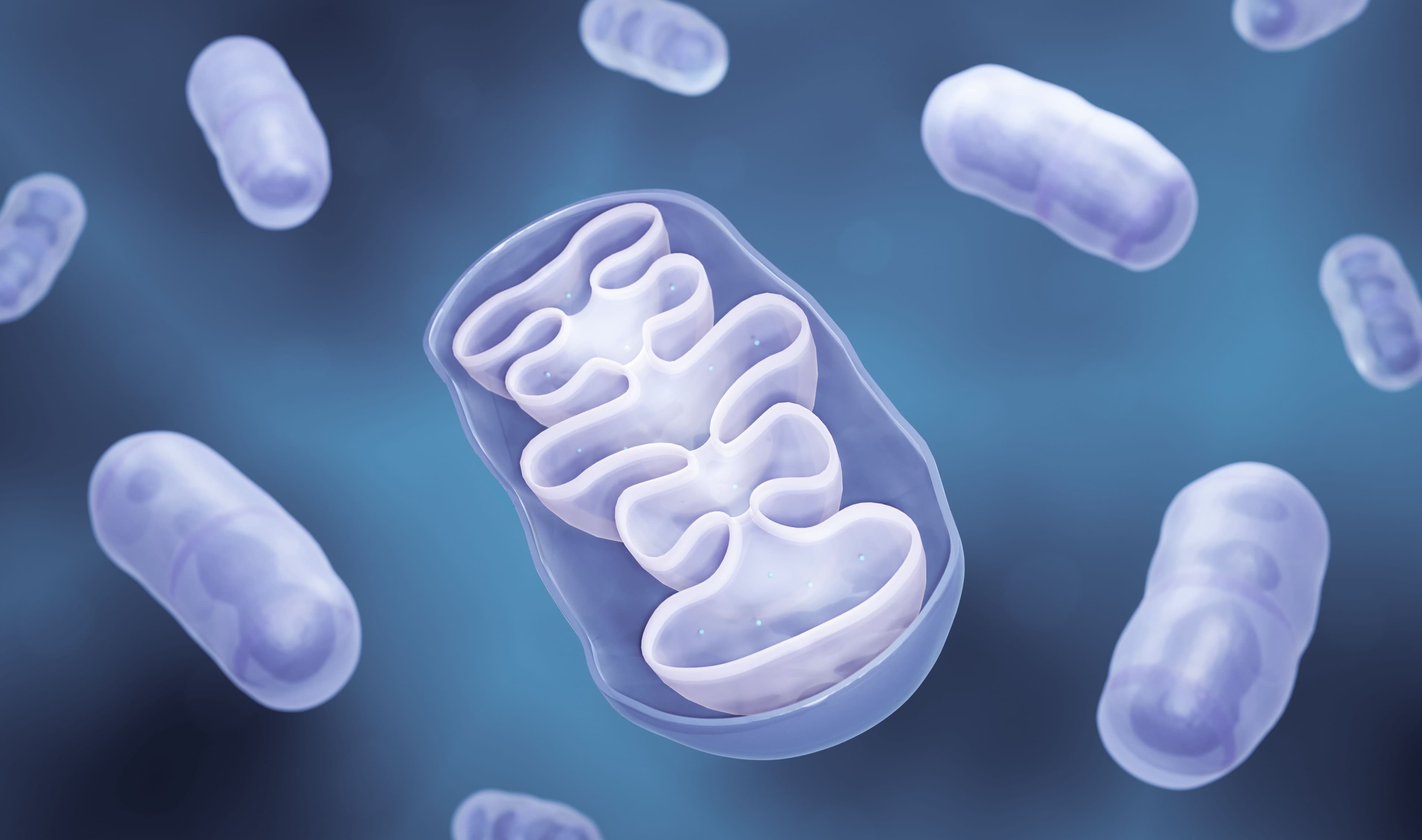
Elevated reactive oxygen species reduce antioxidant defences, leading to mitochondrial dysfunction and disruption of chemical energy (ATP) metabolism, which can manifest as fatigue and poor recovery. Additionally, oxidative stress activates inflammatory pathways and disrupts neurotransmitter balance, further exacerbating neuropsychiatric symptoms. It also induces neuroinflammation and damages neuronal membranes, contributing to cognitive symptoms such as brain fog and impaired concentration. Excessive ROS lead to impairment of both innate and adaptive immune cell function, with reduced cytotoxicity of natural killer cells, altered B and T cell phenotypes, and decreased regulatory T cell populations, all of which promote chronic inflammation and compromise immune surveillance and tolerance. Interestingly, persistent immune activation and elevated pro-inflammatory cytokines (Il-6, TNF-A), increased ROS production and oxidative damage, correlating with symptom severity in chronic conditions such as ME/CFS and post-COVID fatigue. The cumulative effect of these processes is multisystemic impairment and multisystem symptom presentation.

Specific antioxidant therapies and interventions have been evaluated for their ability to mitigate oxidative stress and improve symptoms such as fatigue, brain fog, and poor recovery in clinical populations.
Vitamins C and E, omega-3 fatty acids, carotenoids, polyphenols and ginseng, have been associated with reduced oxidative stress in high-stress populations, such as healthcare professionals! and improved energy levels. Antioxidants are most effective when combined with dietary modifications and regular physical activity, which synergistically reduce proinflammatory markers and enhance antioxidant capacity.
Supplementation with Coenzyme Q10 (CoQ10) has been shown in randomized clinical trials to increase antioxidant enzyme activity, (specifically superoxide dismutase,) and decrease markers of lipid peroxidation, supporting its role in improving oxidative stress parameters. Whilst the effects on total antioxidant capacity and glutathione peroxidase activity are less consistent, clinical evidence suggests CoQ10 may benefit populations with fatigue and poor recovery.
N-acetylcysteine (NAC) and vitamin C supplementation have demonstrated efficacy in reducing systemic oxidative stress, particularly in individuals with known deficiencies or elevated oxidative stress markers.
Supporting micronutrient status is therefore essential for maintaining cellular defence systems immune resilience and energy stability. Targeted supplementation is most effective when correcting specific antioxidant deficiencies, rather than indiscriminate use in all patients.
Subscribe to our newsletter
Get the latest articles and updates straight to your inbox.
SIMILAR NEWS

Inside Your Cells: Understanding Energy, Immunity, and Longevity

NAD+ IV Drip Therapy Now At REVIV!
DECEMBER 21, 2022
REVIV are excited to shout about the fact that NAD+ IV drip therapy is now available in all REVIV clinics across the USA and UK. So, what is NAD+ and why is it so hot right now? REVIV takes a closer look into what NAD+ is, explores the research and the potential benefits.

Preventative Health: The Future Approach To Managing Your Health
SEPTEMBER 16, 2020
Dr Michael Barnish
Preventative Health simply refers to anticipatory measures or interventions taken to prevent disease or ageing. Health, disease, and disability are dynamic processes in an individual’s life and therefore preventative healthcare must be equally dynamic, adaptable to the changes that occur. Preventative health is not traditionally a recognised specialty in many health authorities and doctors, like me, who dedicate their career to this specialty are few on the ground and fighting against a very conventional model of medicine, that often disregards the importance of this specialty, whether that consciously or subconsciously.