Detecting Biological Stress Before It Becomes Dysfunction
By Dr. Mahsa Sheikh, Head of Research at REVIV
Stress is often discussed as an emotional state, something we feel when life becomes overwhelming, demanding, or uncertain. But biologically, stress is not only something we experience emotionally. It is also something the body expresses physiologically, often long before symptoms become obvious.
This distinction matters. Emotional stress refers to the subjective psychological experience of pressure, worry, or distress. Biological stress, by contrast, refers to the measurable physiological strain placed on the body’s regulatory systems, including the autonomic nervous system, endocrine pathways, metabolism, and immune function. While these two forms of stress often overlap, they are not identical. A person may feel emotionally calm while their physiology shows signs of significant strain or conversely feel stressed without yet showing substantial biological disruption.

What makes biological stress particularly important is that it leaves measurable signals in the body. These signals can now be tracked through biomarkers and wearable technologies, offering the possibility of detecting early physiological strain before it progresses into fatigue, immune dysregulation, or longer-term dysfunction.
One of the most informative markers in this context is heart rate variability (HRV). HRV reflects the beat-to-beat variation in heart rhythm and serves as a window into autonomic nervous system regulation. A healthy autonomic system is dynamic and adaptable, constantly adjusting between sympathetic activation and parasympathetic recovery. Higher HRV generally reflects this flexibility. Lower HRV, on the other hand, often indicatesreduced vagal tone, sympathetic dominance, and a system under chronic biological stress. In practical terms, it suggests that the body is losing some of its ability to recover efficiently from internal and external demands.
This is why HRV has become one of the most valuable physiological signals in stress monitoring. Studies consistently show that reduced HRV is associated with chronic stress exposure, autonomic dysregulation, and impaired recovery capacity. Importantly, changes in HRV can emerge before a person consciously identifies fatigue or depletion. In this sense, HRV functions as an early warning signal rather than simply a marker of established dysfunction.
Stress detection does not rely on HRV alone. Other biomarkers help capture the broader physiology of stress. Cortisol remains one of the best-established measures of hypothalamic-pituitary-adrenal axis activation andflattened diurnal cortisol patterns are linked with chronic stress and heightened inflammation. Inflammatory markers such as C-reactive protein, interleukin-6, and tumor necrosis factor-alpha reflect immune activation and can indicate progression toward chronic inflammatory strain. Markers such as salivary immunoglobulin A provide insight into mucosal immune defence, while shifts in the testosterone-to-cortisol ratio may reflect impaired recovery and anabolic-catabolic imbalance, particularly in physically stressed populations.
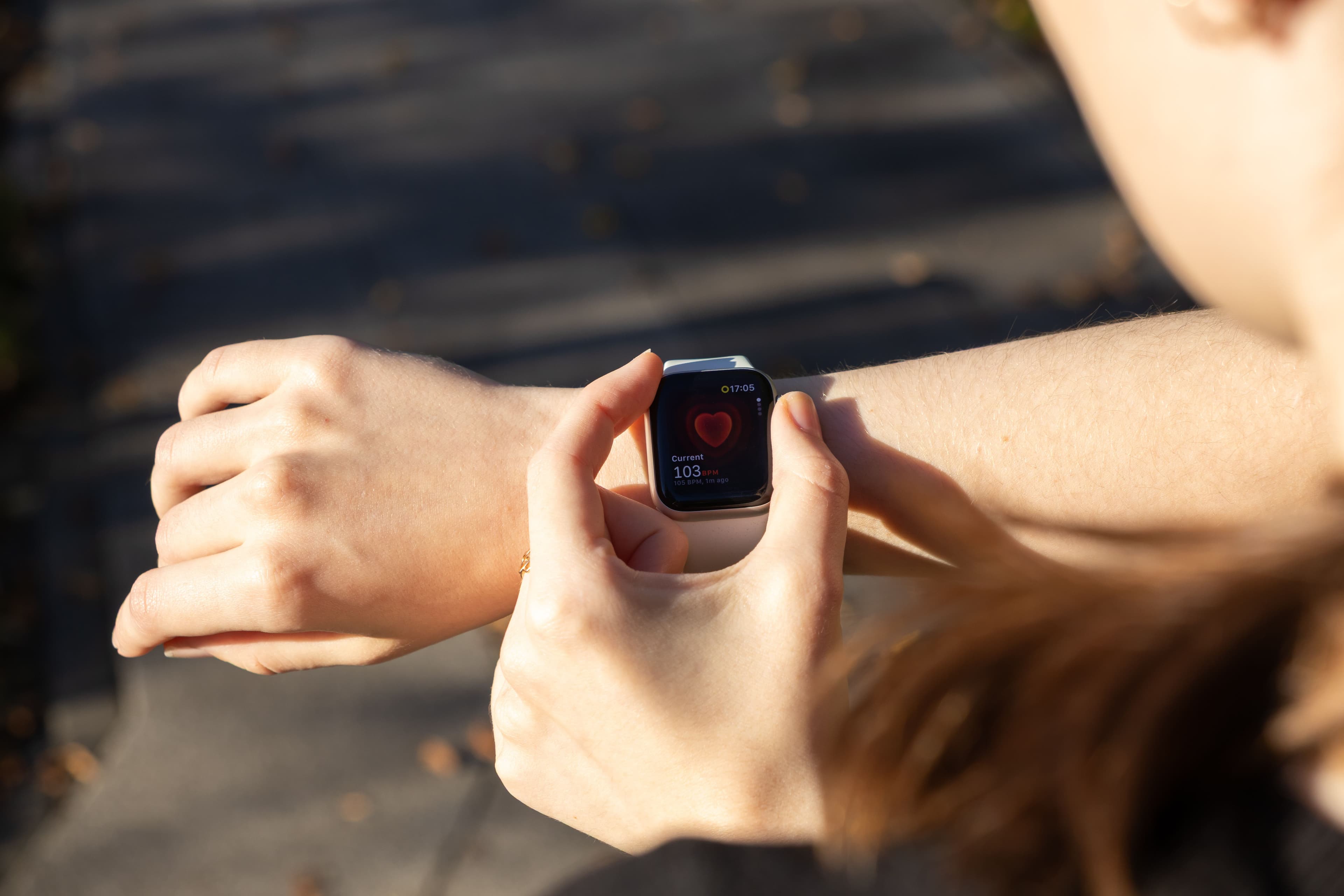
What has changed in recent years is our ability to monitor aspects of this physiology continuously, outside the clinic. Wearable devices now make it possible to track HRV, resting heart rate, sleep disruption, recovery metrics, glucose variability, skin conductance, and other physiological signals in real time. This is important because biological stress is dynamic. It fluctuates throughout the day, accumulates over time, and is often missed by isolated one-time measurements.
The clinical relevance of this is substantial. Chronic biological stress does not simply make people feel tired. Over time, it can drive a cascade of dysregulation involving the nervous system, reduced recovery capacity, and immune vulnerability. Lower HRV has been linked with impaired post-stress recovery across cardiovascular, endocrine, and inflammatory systems. Chronic stress can also alter immune signalling, reduce glucocorticoid sensitivity, and promote a pro-inflammatory state that increases susceptibility to infection and persistent fatigue.

In this sense, biological stress is not a vague concept. It is a measurable, progressive physiological process. And if detected early enough, it may be modifiable before it translates into more entrenched dysfunction. That is where biomarkers and wearables become especially powerful. Together, they shift stress assessment away from a purely subjective or reactive model and toward a more objective, predictive one. Rather than waiting for burnout, recurrent illness, or chronic fatigue to become clinically obvious, we can begin to identify the earlier physiological signatures of strain.
The broader message is clear: stress leaves a biological footprint. HRV, sleep disruption, metabolic instability, inflammatory changes, and related wearable-derived signals can help reveal when the body is under strain even before symptoms are fully recognised. This creates an opportunity for earlier, more personalised intervention, not only to improve recovery, but to protect longer-term health. In that sense, the real value of biomarkers is not simply in measurement. Detecting biological stress earlier may allow us to intervene before resilience gives way to dysfunction.
References
- Knight EL et al., Perceived Stress Is Linked to Heightened Biomarkers of Inflammation via Diurnal Cortisol in a National Sample of Adults, Brain, Behavior, and Immunity, 2021
- Starr LR et al., Chronic Stress Exposure, Diurnal Cortisol Slope, and Implications for Mood and Fatigue: Moderation by Multilocus HPA-Axis Genetic Variation, Psychoneuroendocrinology, 2019
- Dalmeida KM et al., HRV Features as Viable Physiological Markers for Stress Detection Using Wearable Devices, Sensors, 2021
- Kim J et al., Reduced Heart Rate Variability Is Related to Fluctuations in Psychological Stress Levels in Daily Life, Stress and Health, 2024
- Lampert R et al., Cumulative Stress and Autonomic Dysregulation in a Community Sample, Stress, 2016
- Hickey BA et al., Smart Devices and Wearable Technologies to Detect and Monitor Mental Health Conditions and Stress: A Systematic Review, Sensors, 2021
- Pakhomov SVS et al., Using Consumer-Wearable Technology for Remote Assessment of Physiological Response to Stress in the Naturalistic Environment, PLOS One, 2020
- Pataca AO et al., Use of Machine Learning for Predicting Stress Episodes Based on Wearable Sensor Data: A Systematic Review, Computers in Biology and Medicine, 2025
- Strahler J et al., Dysregulated Stress Signal Sensitivity and Inflammatory Disinhibition as a Pathophysiological Mechanism of Stress-Related Chronic Fatigue, Neuroscience and Biobehavioral Reviews, 2016
- Soler-López A et al., The Role of Biomarkers in Monitoring Chronic Fatigue Among Male Professional Team Athletes: A Systematic Review, Sensors, 2024
- Weber CS et al., Low Vagal Tone Is Associated With Impaired Post Stress Recovery of Cardiovascular, Endocrine, and Immune Markers, European Journal of Applied Physiology, 2010
- Sloan RP & Cole SW, Parasympathetic Neural Activity and the Reciprocal Regulation of Innate Antiviral and Inflammatory Genes in the Human Immune System, Brain, Behavior, and Immunity, 2021
- Williams DP et al., Heart Rate Variability and Inflammation: A Meta-Analysis of Human Studies, Brain, Behavior, and Immunity, 2019
- Walsh CP et al., Glucocorticoid Resistance and β2-Adrenergic Receptor Signaling Pathways Promote Peripheral Pro-Inflammatory Conditions Associated With Chronic Psychological Stress: A Systematic Review Across Species, Neuroscience and Biobehavioral Reviews, 2021
- Palma-Gudiel H et al., HPA Axis Regulation and Epigenetic Programming of Immune-Related Genes in Chronically Stressed and Non-Stressed Mid-Life Women, Brain, Behavior, and Immunity, 2021
Subscribe to our newsletter
Get the latest articles and updates straight to your inbox.
SIMILAR NEWS

Can Glutathione Help With Skin Pigmentation And Psoriasis?

Coffee. Is It Good Or Is It Bad? The Verdict
SEPTEMBER 29, 2020
It is an age-old question. Is coffee good or is it bad for you. Well the answer is absolutely locked within your genes. Genetic advances have made it now common place to explore the secrets within your genetic make-up. Revealing whether coffee is good or bad for you is one of the nuggets of information that can be discovered.