Alcohol and healthspan: why may Dry January support your health
By Dr Michael Barnish, Strategic Advisor of Life Sciences at REVIV Global
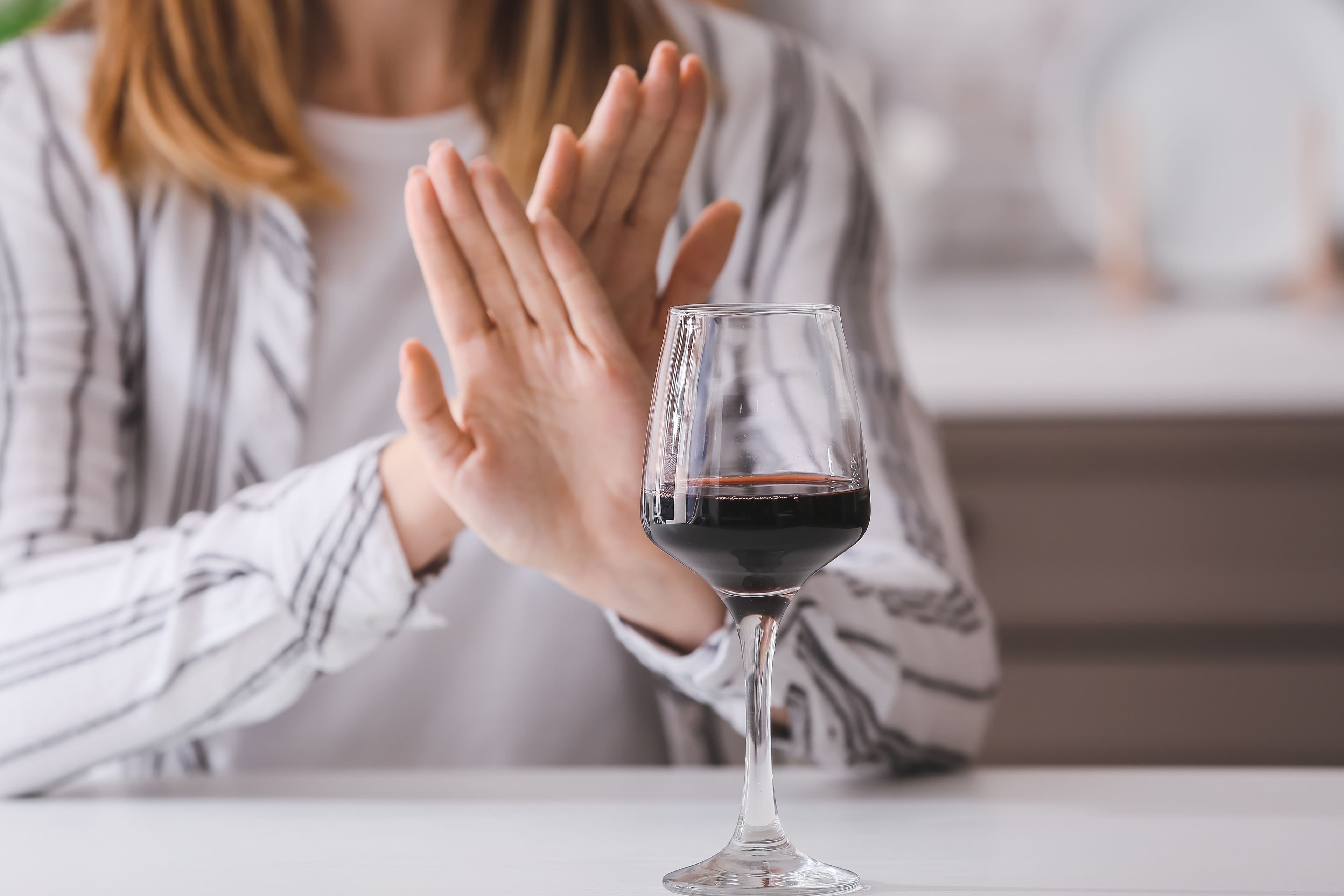
Many high functioning people use alcohol to switch off, to socialise, or to help them fall asleep. Dry January is a useful chance to test what changes when alcohol is removed for a month. Prospective research in Dry January participants reports improvements in wellbeing, and many people drink less afterwards, in the following months. [1]
Alcohol has been linked with claimed cardiovascular benefits in observational studies, often described as a J shaped curve, meaning those that drink a mild amount are better off than those that abstain. However, higher quality analyses suggest that apparent benefits at low intake are largely explained by bias and confounding, while harms increase linearly with dose. [2,3]
The science
- Sleep. Alcohol can reduce time to fall asleep at higher doses, but even low doses can delay the important rapid eye movement (REM) sleep phase and reduce its duration, which can leave you feeling unrefreshed. [4]
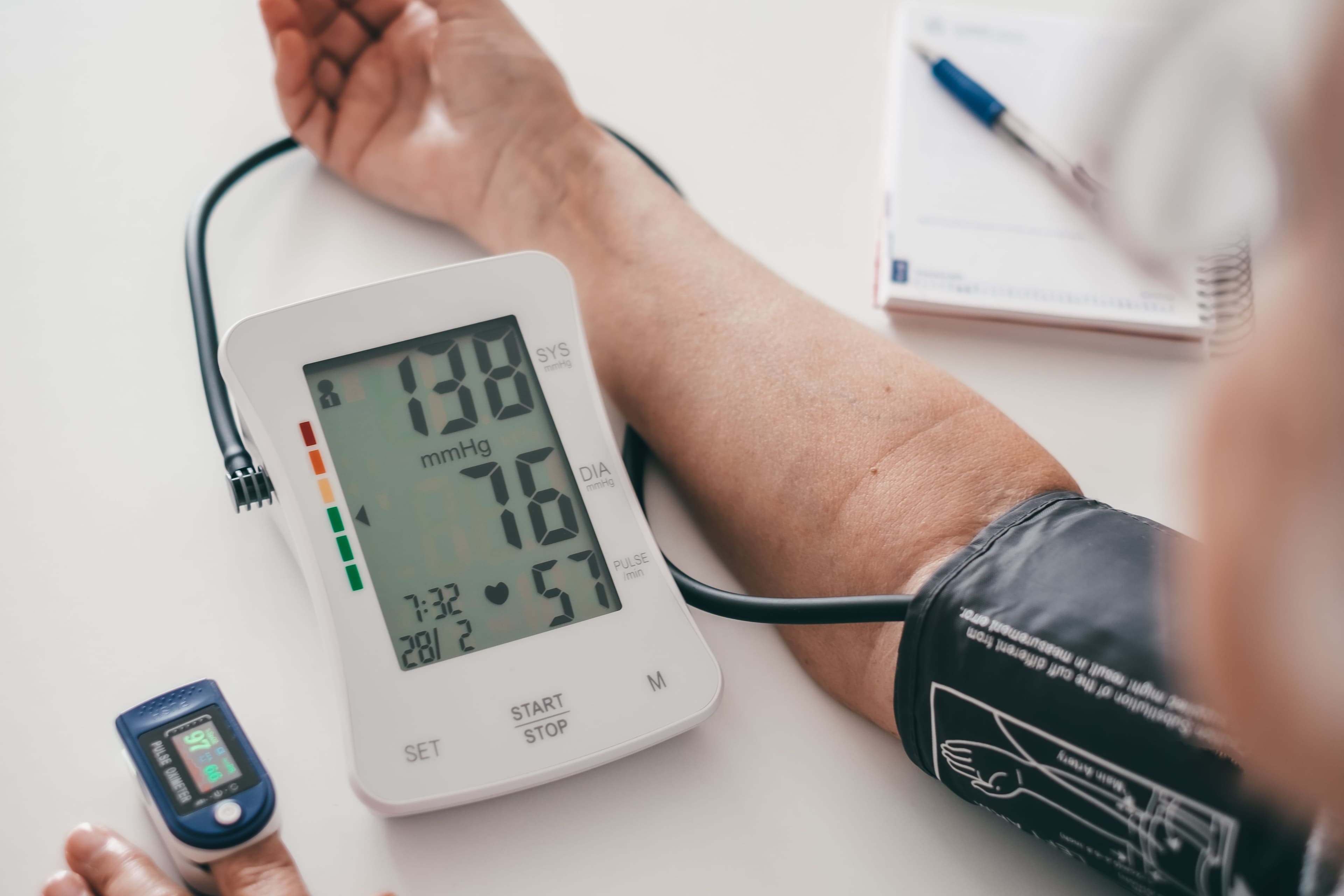
- Blood pressure. Randomised controlled trial evidence shows alcohol can raise blood pressure later after intake, and this matters because blood pressure is a major driver of cardiovascular risk. [5]
- Heart rhythm. Dose response meta analysis data associate higher alcohol intake with higher atrial fibrillation risk. [6]
- Long term risk. Meta analyses support increased risk for several cancers with increasing intake, and brain imaging data show adverse associations with higher consumption. [7,8]
- The J curve. When studies separate lifetime non drinkers from former drinkers, and account for healthier lifestyle patterns in light drinkers, the protective signal weakens or disappears. A systematic review of all cause mortality found no significant benefit for low to moderate intake versus lifetime non drinkers after adjustment for key biases. [2] Mendelian randomization studies supports higher cardiovascular risk with higher genetically predicted intake. [3]
Practical actions
- Make it a personal experiment
- Track 2 or 3 markers for 31 days, for example sleep quality, resting heart rate, mood, blood pressure, cravings.
- Keep other variables as steady as you can, especially training load and caffeine timing.
- At the end of the month, decide what role alcohol plays based on your data, rather than assumptions. - If you return to alcohol, do it carefully
- Avoid catch up drinking, making up for the alcohol free month. Your tolerance will change. - Keep alcohol free days each week, and avoid drinking close to bedtime if sleep is fragile. [4] - Safety note
- If you drink heavily most days, or have had withdrawal symptoms before, do not stop suddenly without medical advice.
- If you need advice on your alcohol consumption, always consult your healthcare provider, they will be happy to support discussions and provide help.
References
1. de Visser RO, Piper R. Short- and longer-term benefits of temporary alcohol abstinence during 'Dry January' are not also observed among adult drinkers in the general population: prospective cohort study. Alcohol Alcohol. 2020;55(4):433-438. PMID: 32391879.2. Zhao J, Stockwell T, Naimi T, Churchill S, Clay J, Sherk A. Association between daily alcohol intake and risk of all-cause mortality: a systematic review and meta-analyses. JAMA Netw Open. 2023;6(3):e236185. PMID: 37000449.
3. Biddinger KJ, Emdin CA, Haas ME, Wang M, Hindy G, Ellinor PT, et al. Association of habitual alcohol intake with risk of cardiovascular disease. JAMA Netw Open. 2022;5(3):e223849. PMID: 35333364.
4. Gardiner C, Weakley J, Burke LM, Roach GD, Sargent C, Maniar N, et al. The effect of alcohol on subsequent sleep in healthy adults: a systematic review and meta-analysis. Sleep Med Rev. 2025;80:102030. PMID: 39631226.
5. Tasnim S, Tang C, Musini VM, Wright JM. Effect of alcohol on blood pressure. Cochrane Database Syst Rev. 2020;7(7):CD012787. PMID: 32609894.
6. Jiang H, Mei X, Jiang Y, Yao J, Shen J, Chen T, et al. Alcohol consumption and atrial fibrillation risk: an updated dose-response meta-analysis of over 10 million participants. Front Cardiovasc Med. 2022;9:979982. PMID: 36247447.
7. Jun S, Park H, Kim UJ, Choi EJ, Lee HA, Park B, et al. Cancer risk based on alcohol consumption levels: a comprehensive systematic review and meta-analysis. Epidemiol Health. 2023;45:e2023092. PMID: 37905315.
8. Daviet R, Aydogan G, Jagannathan K, Spilka N, Koellinger PD, Kranzler HR, et al. Associations between alcohol consumption and gray and white matter volumes in the UK Biobank. Nat Commun. 2022;13(1):1175. PMID: 35246521.
Subscribe to our newsletter
Get the latest articles and updates straight to your inbox.
SIMILAR NEWS
Coffee. Is It Good Or Is It Bad? The Verdict
SEPTEMBER 29, 2020
It is an age-old question. Is coffee good or is it bad for you. Well the answer is absolutely locked within your genes. Genetic advances have made it now common place to explore the secrets within your genetic make-up. Revealing whether coffee is good or bad for you is one of the nuggets of information that can be discovered.

Hydromax – REVIV’s Pure IV Hydration Therapy
OCTOBER 10, 2016
Intravenous or IV hydration has long been used by people in medical field for restoring fluids, replacing electrolytes, and administering nutrients when there is a barrier to oral intake. Originally reserved only for the severely ill, IV therapy, has over the years become more commonly utilized for preventative purposes and for people looking for fast recovery.
What started out as therapies administered in doctor’s offices are now commonplace in IV bars, med spas and lounges often offering additional therapies such as B12, Glutathione, IV vitamins drips and even IV for hangovers!