Understanding Premenstrual Syndrome
By Dr Pascale Ricci, Head of Precision Nutrition at REVIV
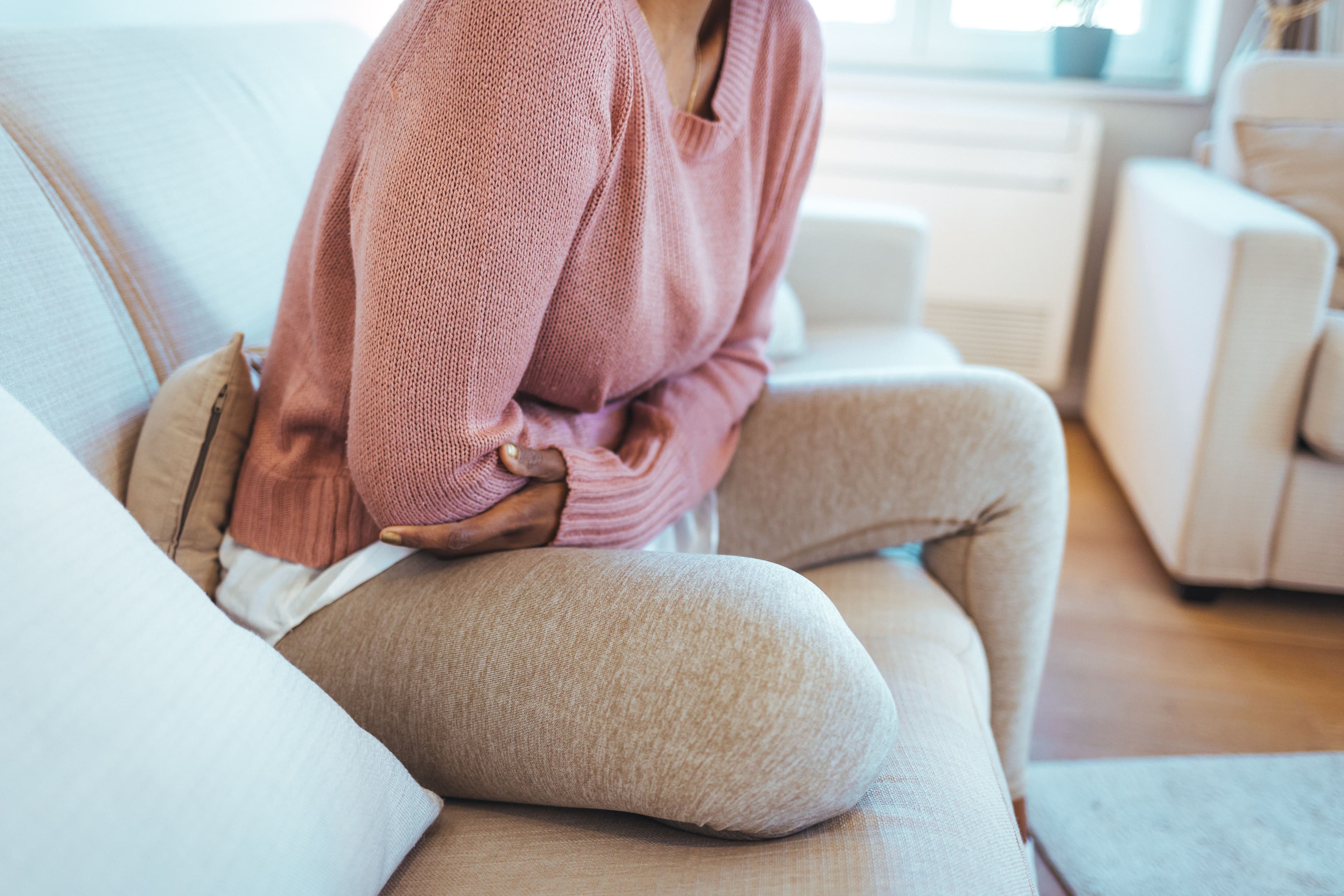
Premenstrual syndrome (PMS) is a common condition that affects many women in the one to two weeks before their period. While symptoms can range from mild to severe, for some women PMS can significantly interfere with daily life.
What Causes PMS?
PMS is not caused by abnormal hormone levels. Instead, it appears to be due to a heightened sensitivity to normal hormonal changes, particularly during the luteal phase (the time between ovulation and the start of your period, when progesterone is dominant).
These hormonal shifts can affect brain chemicals such as:
- Serotonin (involved in mood and wellbeing)
- GABA (which helps calm the nervous system)
This helps explain why PMS can cause both physical and emotional symptoms.
Some women may also have a genetic sensitivity to hormonal changes, which can increase the risk of more severe forms such as premenstrual dysphoric disorder (PMDD).
Most women experience some degree of PMS. Symptoms may include:
- Mood swings or irritability
- Anxiety or low mood
- Food cravings (often sweet or salty foods)
- Bloating or fluid retention
- Breast tenderness
- Headaches
- Cramping
- Aching legs
For some women, symptoms are mild. For others, mood changes or pain can be severe enough to disrupt work, relationships, and normal activities.
Why do cravings increase during the luteal phase?
Cravings during the luteal phase are normal and largely driven by hormonal changes:
- Progesterone rises, increasing appetite and sensitivity to rewarding foods.
- Brain reward centres respond more strongly to high-calorie and sweet foods.
- Resting energy expenditure slightly increases, meaning your body may genuinely need more fuel.
- Lower serotonin activity can increase cravings for carbohydrates, which temporarily boost mood.
Chocolate cravings are common because cocoa contains magnesium, a mineral that helps relax muscles and support mood. However, highly processed chocolate, high in sugar and milk may worsen symptoms.
Salt cravings may occur due to shifts in sodium–potassium balance, but eating more salty foods can worsen bloating and fluid retention and then the greater your cravings for more of the same – it is a vicious circle.
Does nutrition play a role in nutrition?
While hormone changes are natural, nutrition can influence how strongly symptoms are experienced.
Dietary patterns linked to worse PMS:
- Ultra-processed foods
- Refined carbohydrates
- High saturated fat intake
- Excess caffeine
- Alcohol
Nutrients that may help reduce symptoms
- Vitamin B6 supports progesterone and serotonin production and can be found in foods such as bananas and chicken.
- Calcium may help reduce mood changes and fluid-related symptoms and can be found in foods such as yoghurt and sesame seeds.
- Omega-3 fatty acids help reduce inflammation and breast tenderness and can be found in foods such as oily fish and flaxseeds.
- Potassium supports fluid balance and can be found in foods such as avocado, sweet potatoes, and bananas.
- Iron supports energy levels and mood and can be found in foods such as leafy greens, sesame seeds, fruit and chicken liver.
To improve iron absorption, combine iron-rich foods with vitamin C–rich foods such as citrus fruits, kiwi, peppers, or tomatoes.
During this luteal phase, focus on:
- Stable blood sugar (regular meals with protein and fibre)
- Reducing ultra-processed foods
- Limiting caffeine and alcohol
- Increasing magnesium-rich foods (includes >75% cocoa content dark chocolate!)
- Prioritising anti-inflammatory, omega 3 rich foods (fish, olive oil, vegetables)
- Staying hydrated
Other things to consider
5-Hydroxytryptophan (5-HTP) is an amino acid precursor in the synthesis of serotonin, a neurotransmitter involved in mood regulation, cognition, memory, and emotional processing. Stable serotonin activity is important for psychological wellbeing.
In the luteal phase of the menstrual cycle, hormonal fluctuations—particularly elevated progesterone and alterations in oestradiol—modulate appetite-regulating neuroendocrine pathways and reward-related brain regions. Increased progesterone enhances activation of both homeostatic and hedonic neural circuits in response to food cues, particularly high-calorie and carbohydrate-rich foods. Oestradiol–leptin interactions further influence appetite, with certain hormonal ratios associated with greater sweet cravings.
The luteal phase is also associated with a modest increase in resting energy expenditure and shifts in macronutrient preference, including higher intake of protein and fat. Concurrent changes in serotonin activity and premenstrual mood symptoms may amplify carbohydrate cravings as a compensatory mechanism to support serotonin synthesis and mood regulation. Additionally, heightened attentional bias toward palatable food cues contributes to increased hedonic eating during this phase.
Subscribe to our newsletter
Get the latest articles and updates straight to your inbox.
SIMILAR NEWS

Exploring The Benefits Of B12 Vitamin Injections
Vitamin B12 injections are essential for supporting energy, cell health, and nervous system function. However, getting enough B12 from diet alone can be challenging, especially for those on restricted diets or with certain health conditions. That’s where Vitamin B12 injections at REVIV come in. Our B12 shots, carefully crafted by medical professionals, deliver B12 directly to your bloodstream and cells, bypassing the digestive tract for maximum absorption and effectiveness by injecting it into the muscle.
Whether through a vitamin B12 IV drip or a quick and efficient B12 vitamin shot, REVIV offers a range of IV therapies and vitamin injections designed to suit your wellness needs.
How REVIV’s tech delivers personalized IV Therapy tailored to your body
Choosing the right IV therapy should never be a guessing game. At REVIV, we understand wellness is personal. That is why we have reimagined the IV experience by combining advanced technology, clinical insight, and data-led personalization. The result is a treatment protocol that adapts to your body’s unique needs and supports your individual wellness goals.