January Theme: RESET - 2025 Breakthroughs
By Dr Mahsa Sheikh, Head of Research at REVIV Global
The Wearable & Biomarker Breakthroughs That Will Shape How We Reset Health in 2026
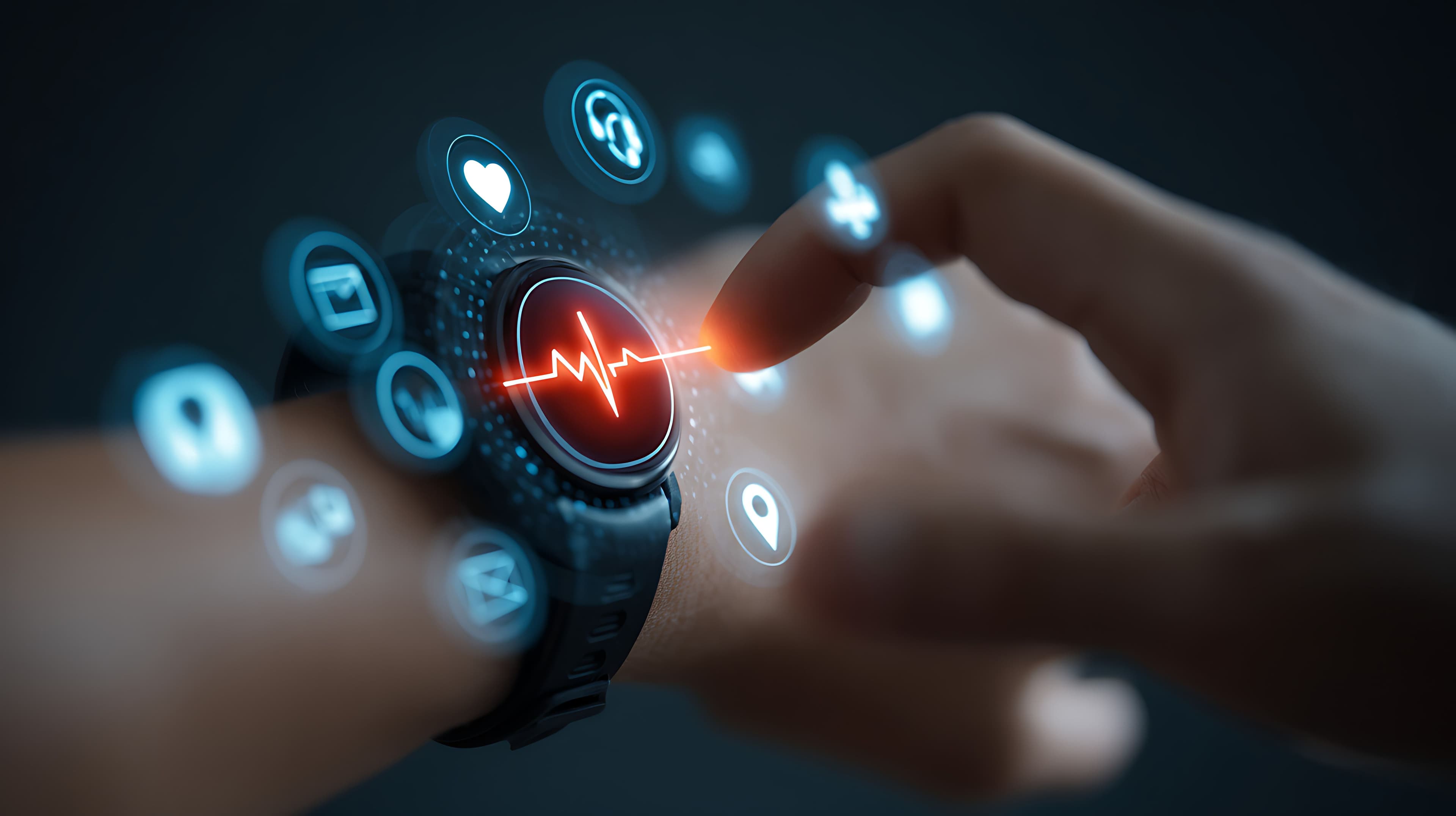
In 2025, wearable and biomarker technology reached a point of real-world usefulness. Health tracking moved beyond steps and calories toward continuous, non-invasive insight into baseline health, giving people clearer signals about stress, recovery, and metabolism in everyday life. As we enter 2026, these tools are increasingly helping individuals reset their wellness routines in a more personalised and informed way.
From “normal ranges” to personal baselines
Traditional health metrics rely on population averages. The breakthroughs of 2025 allow individuals to define what is normal for them, by collecting weeks of real-world data and watching how it changes with sleep, work stress, training, illness, or travel. Baseline health is no longer a single number, it is a dynamic pattern.
Continuous glucose monitoring for metabolic awareness
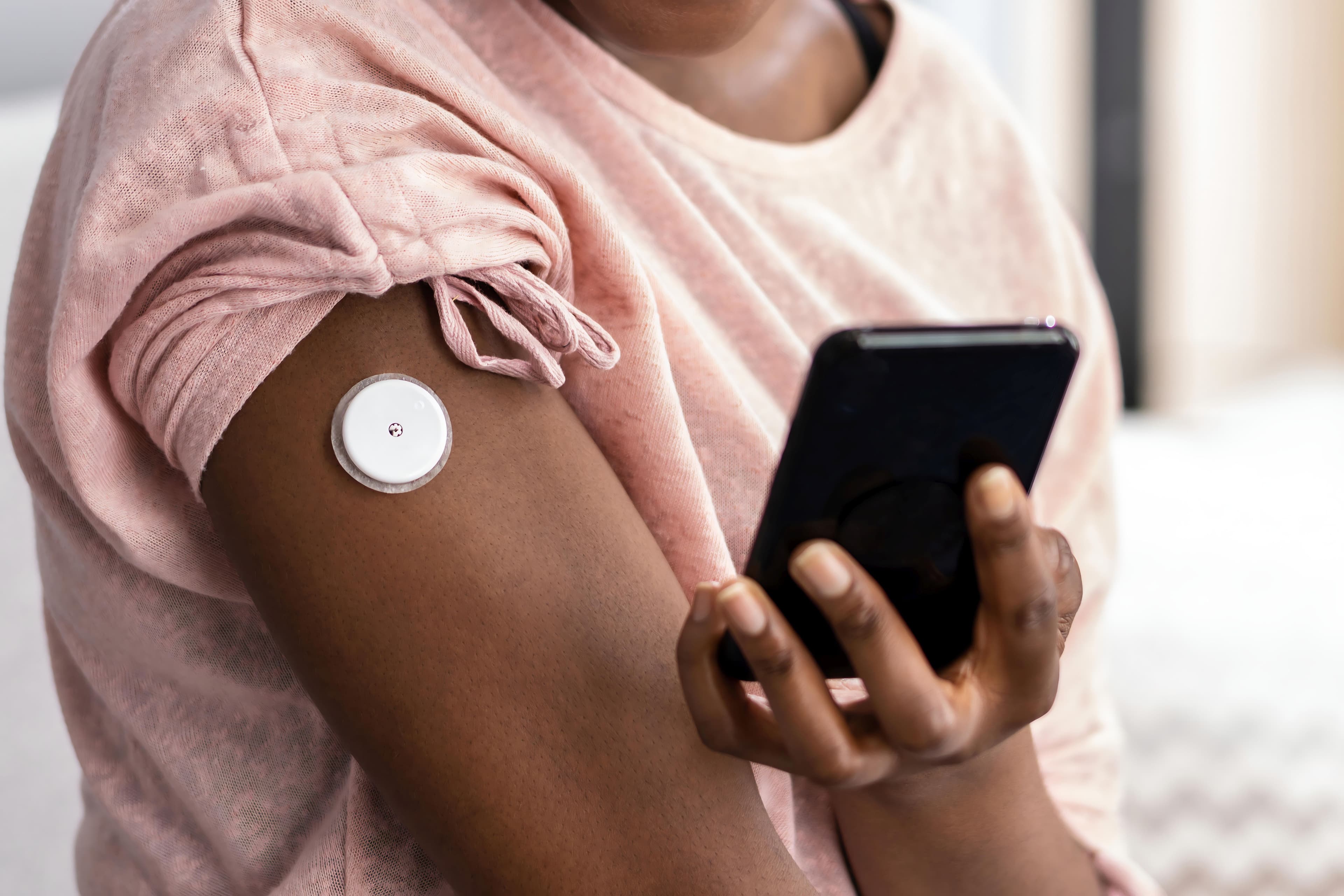
Continuous glucose monitors (CGMs) are now widely used beyond diabetes. In 2025, they became a practical tool for understanding how meals, stress, sleep, and exercise affect metabolic stability in real time. Instead of labeling foods as “good” or “bad,” CGMs help users see which habits keep their glucose steady and which push them off baseline. In 2026, this makes metabolic health something people can observe and adjust, rather than guess.
Smart wearables as everyday physiology monitors
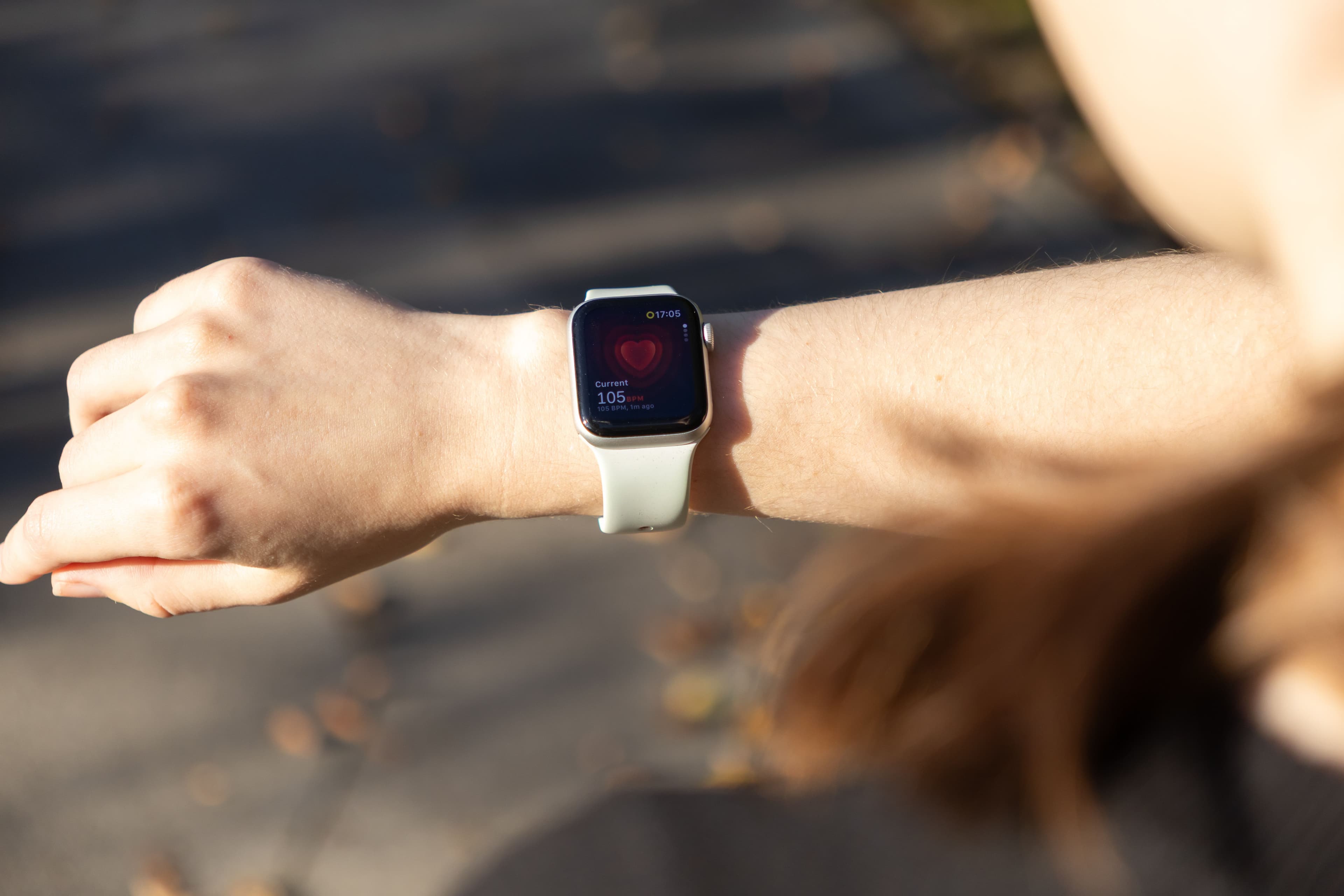
Smart wearables now provide reliable tracking of heart rate, heart-rate variability, sleep quality, oxygen saturation, and skin temperature. The key advance lies in interpreting these signals together, rather than in isolation. Shifts in HRV alongside poorer sleep or a rising resting heart rate can reveal early physiological stress, often before symptoms appear. In 2026, this allows wellness resets to prioritise recovery and regulation, rather than focusing solely on performance or productivity.
Sweat biomarkers bring chemistry to wearables
One of the most exciting developments of 2025 was the progress of skin-interfaced sweat sensors. These flexible patches can non-invasively track hydration, electrolytes, and select metabolic or stress-related markers. While still focused on a limited set of biomarkers, they add valuable chemical context to wearable data, helping explain why performance, mood, or recovery might be shifting. For 2026, this supports smarter hydration, heat management, and training decisions, guided by trends rather than guesswork.
Breath and multimodal sensing complete the picture
Emerging breath sensors and multimodal platforms add another layer by tracking molecular signals related to metabolism and stress. On their own, these tools are limited, but when combined with wearable data such as HRV, sleep, and activity, they help build a more complete baseline profile. The biggest shift of 2025 was integration. Glucose data, wearable physiology, sweat signals, and emerging breath-based sensing are increasingly analysed together. No single biomarker tells the full story, but patterns across systems are far more informative. A change in HRV means something different when glucose stability, sleep quality, and hydration trends are considered together. This multimodal view is what turns data into insight.
What this means for a 2026 wellness reset
The biggest lesson from 2025 is that health optimisation does not start extreme routines or rigid protocols. It starts with measurement over time. In 2026, a practical reset means spending a few weeks establishing your personal baseline, noticing repeated deviations rather than isolated readings, and responding with small, targeted adjustments, better sleep, improved hydration, lighter training, or recovery support. Continuous, non-invasive biomarkers make this process calmer, more precise, and far more personalised than ever before.
In short: 2025 turned wearables into baseline-building tools. 2026 is about using that insight to live in better balance.
References
Trinh et al., 2025. Health Care 2025: How Consumer-Facing Devices Change Health Management and Delivery. Journal of Medical Internet Research.
Babu et al., 2024. Wearable Devices: Implications for Precision Medicine and the Future of Health Care. Annual Review of Medicine.
Boutros et al., 2025. Advancements in Wearable Biosensors: Transforming Cardiovascular Health Monitoring and Disease Management. Progress in Molecular Biology and Translational Science.
Cherian et al., 2025. Wearable Sensing for Clinical Physiology Monitoring: Emerging Paradigms. Physiology.
Wang et al., 2025. Smart Wearable Sensor Fuels Non-Invasive Body Fluid Analysis. ACS Applied Materials & Interfaces.
Ma et al., 2025. Emerging Multifunctional Wearable Sensors: Integrating Multimodal Sweat Analysis and Advanced Material Technologies. ACS Sensors.
Zhang & Liu, 2025. Advancements and Obstacles in Sweat-Based Biosensors for Health Monitoring. Critical Reviews in Analytical Chemistry.
Childs et al., 2024. Diving Into Sweat: Advances, Challenges, and Future Directions in Wearable Sweat Sensing. ACS Nano.
Güntner et al., 2025. Challenges and Opportunities of Wearable Molecular Sensors in Endocrinology and Metabolism. Nature Reviews Endocrinology.
Ghosh & Sharma, 2025. Biomarkers in Wearables, Ingestible, and Implantable Sensors for Health Monitoring. Progress in Molecular Biology and Translational Science.
Tu et al., 2025. Stressomic: A Wearable Microfluidic Biosensor for Dynamic Profiling of Multiple Stress Hormones in Sweat. Science Advances.
Mansour et al., 2023. Continuous Monitoring of Psychosocial Stress by Non-Invasive Volatilomics. ACS Sensors.
Jerath et al., 2023. The Future of Stress Management: Integration of Smartwatches and HRV Technology. Sensors.
Bolpagni et al., 2024. Personalized Stress Detection Using Biosignals From Wearables: A Scoping Review. Sensors.
Subscribe to our newsletter
Get the latest articles and updates straight to your inbox.
SIMILAR NEWS

Exploring The Benefits Of B12 Vitamin Injections
Vitamin B12 injections are essential for supporting energy, cell health, and nervous system function. However, getting enough B12 from diet alone can be challenging, especially for those on restricted diets or with certain health conditions. That’s where Vitamin B12 injections at REVIV come in. Our B12 shots, carefully crafted by medical professionals, deliver B12 directly to your bloodstream and cells, bypassing the digestive tract for maximum absorption and effectiveness by injecting it into the muscle.
Whether through a vitamin B12 IV drip or a quick and efficient B12 vitamin shot, REVIV offers a range of IV therapies and vitamin injections designed to suit your wellness needs.

How REVIV’s tech delivers personalized IV Therapy tailored to your body
Choosing the right IV therapy should never be a guessing game. At REVIV, we understand wellness is personal. That is why we have reimagined the IV experience by combining advanced technology, clinical insight, and data-led personalization. The result is a treatment protocol that adapts to your body’s unique needs and supports your individual wellness goals.