Why Consistency Matters, and How We Can Measure It
By Dr Mahsa Sheikh, Head of Research at REVIV Global
Consistency is one of the most powerful, and underestimated, drivers of long-term health. While motivation fluctuates and short-term efforts come and go, it is the steady repetition of daily behaviours that shapes metabolic health, cardiovascular resilience, mental well-being, and overall longevity. Exercise only delivers benefits when practiced regularly. Nutrition only improves metabolic stability when eating patterns are sustained. Sleep only restores the brain and body when routines are predictable. In nearly every domain of health, consistency matters more than intensity.
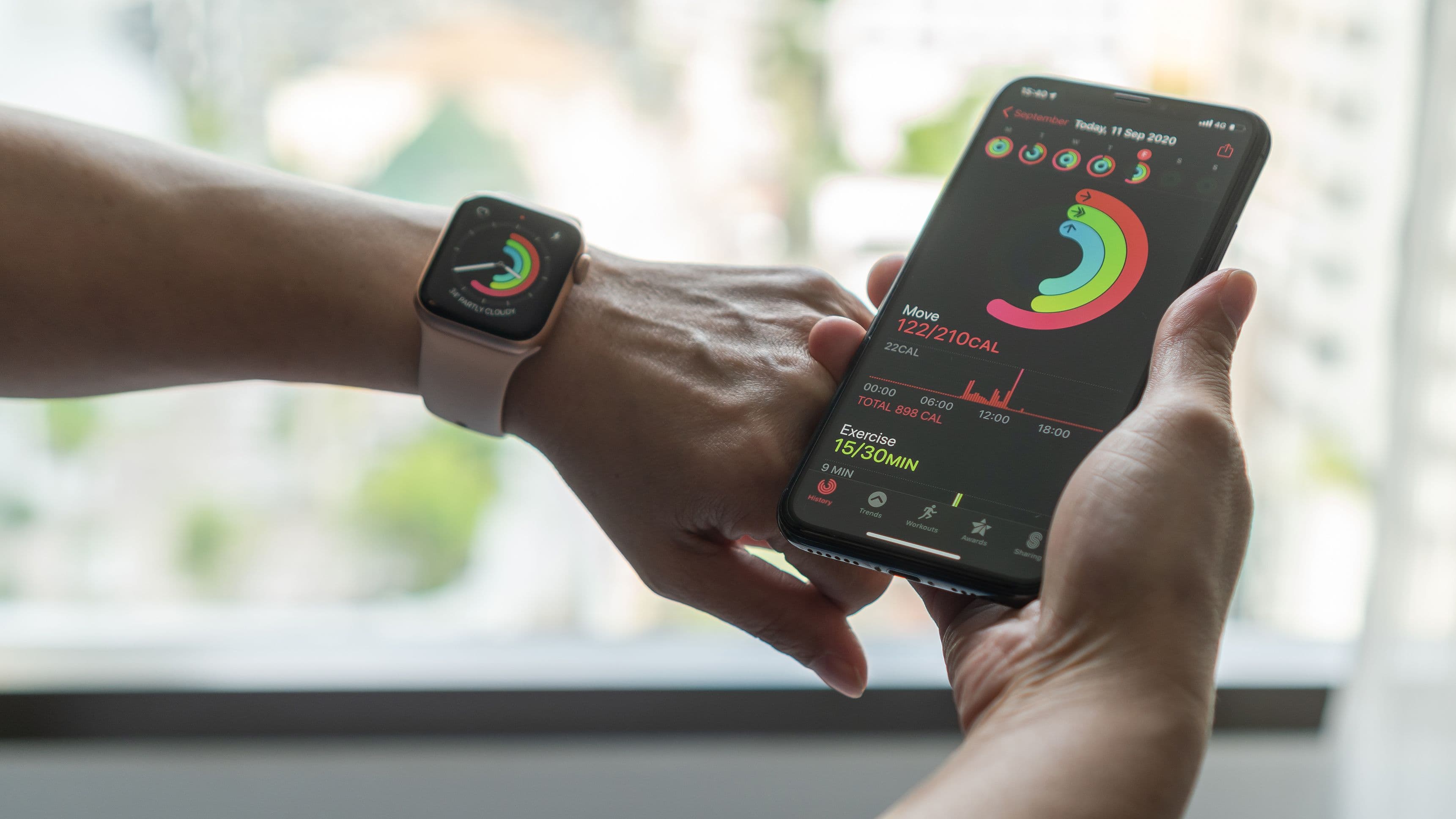
Yet maintaining consistency is difficult because progress often feels invisible in the short term. Small daily choices accumulate quietly, and without feedback, it becomes hard to recognise whether habits are strengthening or slipping. In recent years, wearable devices have become a common tool for observing daily behaviours in real-world settings, enabling individuals to track patterns across activity, physiology, and sleep. Rather than replacing clinical care or human judgment, these tools offer a practical way to monitor consistency over time and detect meaningful changes in routine.
When it comes to measuring consistency, research shows that only a few biomarkers are truly reliable. The strongest evidence supports step count, distance travelled, and resting heart rate variability (HRV) as the most dependable indicators of sustained daily habits in free-living conditions. Step count and distance are among the most accurate and reproducible wearable metrics, making them especially useful for assessing how consistently someone maintains physical activity. Because these measures reflect real movement patterns, not self-reported behaviour, they provide a stable, objective signal of routine adherence over time.
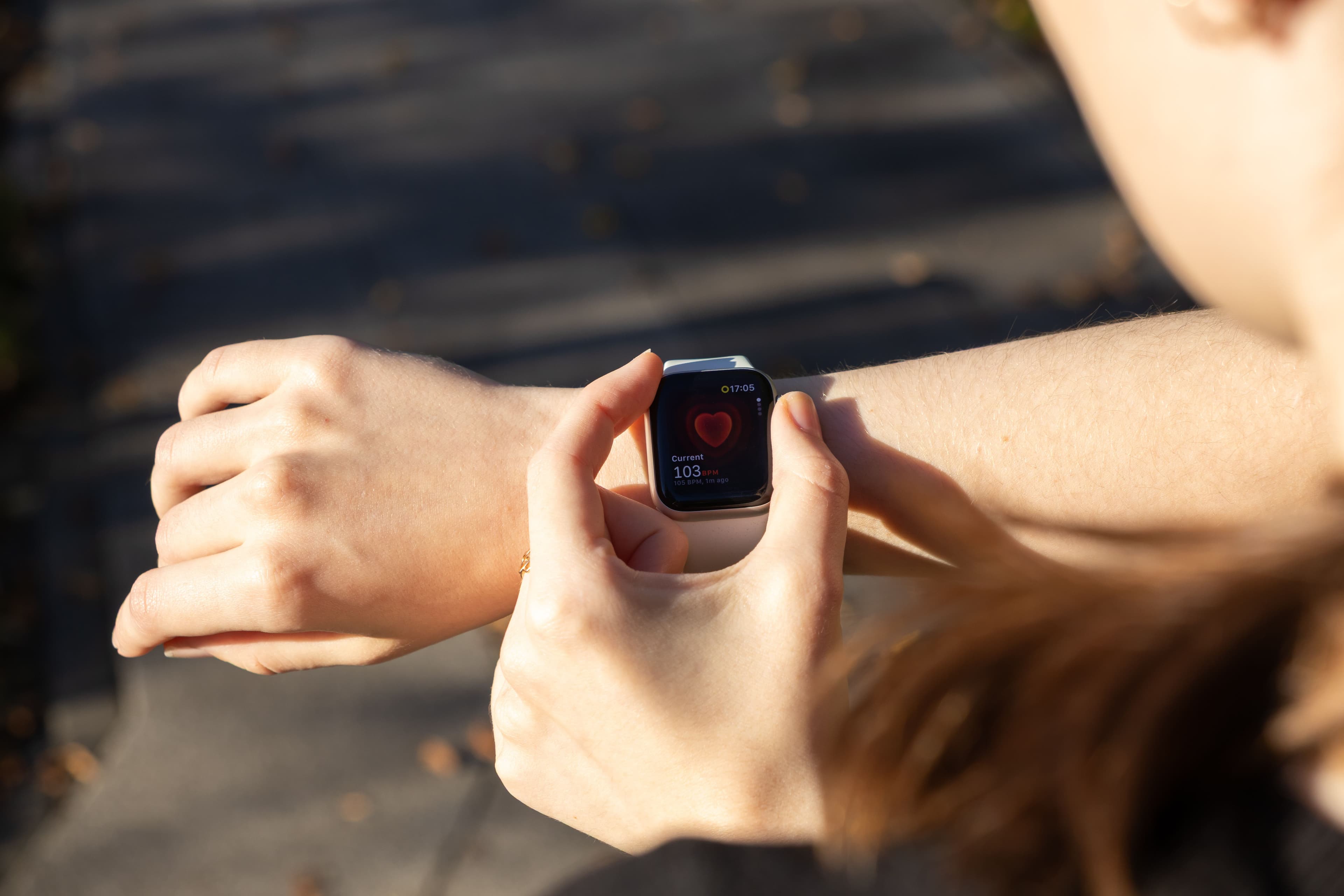
Resting HRV adds a physiological lens by reflecting how consistently the body is supported through recovery, sleep, stress management, and overall lifestyle balance. HRV represents natural variation between heartbeats, shaped by autonomic nervous system activity. Higher HRV generally reflects greater resilience and adaptability, while persistently lower HRV may indicate fatigue, stress, illness, or disrupted routines. Most importantly, HRV is best interpreted as a long-term trend, capturing the cumulative effects of daily habits rather than short-term fluctuations.
Other signals can provide useful supporting context. Resting heart rate trends reflect training consistency, as sustained exercise and recovery typically lead to lower, more stable resting heart rate over time. Sleep timing regularity, going to bed and waking at similar times each day, has been linked to better mental health and circadian stability, reinforcing that predictable routines matter more than occasional perfect nights. Moreover, continuous glucose monitoring can offer insight into nutrition consistency through measures of glucose variability, although day-to-day variation means it works best as a complementary rather than standalone marker.

Beyond measurement, tracking these small daily signals can actively support consistency. Seeing patterns over time helps people notice early signs of routine drift, recognise behaviours that support success, and make timely adjustments before habits unravel. This approach, often described as micro-tracking, focuses on subtle, continuous signals rather than dramatic, infrequent health check-ins. Because habits are built through repeated daily actions, small signals tracked consistently are more predictive of long-term success than occasional large assessments.
Taken together, the evidence suggests that consistency leaves a measurable biological and behavioural footprint. Among available metrics, step count, distance travelled, and resting HRV currently stand out as the most reliable indicators of daily habit consistency, supported by strong reproducibility and growing longitudinal validation. When interpreted alongside heart rate trends, sleep regularity, and emerging glucose measures, they provide a practical and meaningful window into how reliably healthy routines are sustained.
In the long run, health is rarely shaped by dramatic short-term change. It is built through small behaviours repeated consistently, and increasingly, those patterns can be observed, measured, and refined to support lasting progress.
References
Wen et al., 2017. Reliability of mainstream wearable devices for activity tracking. Journal of Medical Internet Research.
Hernandez et al., 2025. Resting HRV from consumer wearables and health associations. Sensors.
Shei et al., 2022. Accuracy and limitations of wearable activity trackers. European Journal of Applied Physiology.
Shaffer & Ginsberg, 2017. Overview of HRV metrics, norms, and interpretation. Frontiers in Public Health.
Petek et al., 2023. Wearables in cardiovascular monitoring and health assessment. Journal of the American College of Cardiology.
Shim et al., 2023. Wearable activity patterns linked to biological aging and health outcomes. Scientific Reports.
Yokoyama et al., 2023. Activity and sleep regularity associated with mental health outcomes. BMC Public Health.
Bakhshi et al., 2025. CGM metrics and dietary quality in community populations. The American Journal of Clinical Nutrition.
Hengist et al., 2025. Variability in glucose responses to identical meals. The American Journal of Clinical Nutrition.
Matabuena et al., 2023. Reproducibility of CGM in real-world conditions. Scientific Reports.
Väisänen et al., 2025. Lifestyle behavior change following health assessments. Scandinavian Journal of Work, Environment & Health.
Liss et al., 2021. Limited long-term impact of routine health checkups. JAMA.
Subscribe to our newsletter
Get the latest articles and updates straight to your inbox.
SIMILAR NEWS

Biohacking, a beginner’s guide

How REVIV’s tech delivers personalized IV Therapy tailored to your body
Choosing the right IV therapy should never be a guessing game. At REVIV, we understand wellness is personal. That is why we have reimagined the IV experience by combining advanced technology, clinical insight, and data-led personalization. The result is a treatment protocol that adapts to your body’s unique needs and supports your individual wellness goals.