Now, more than ever, we need vitamin D
This article is over 2 years old
And here’s why…
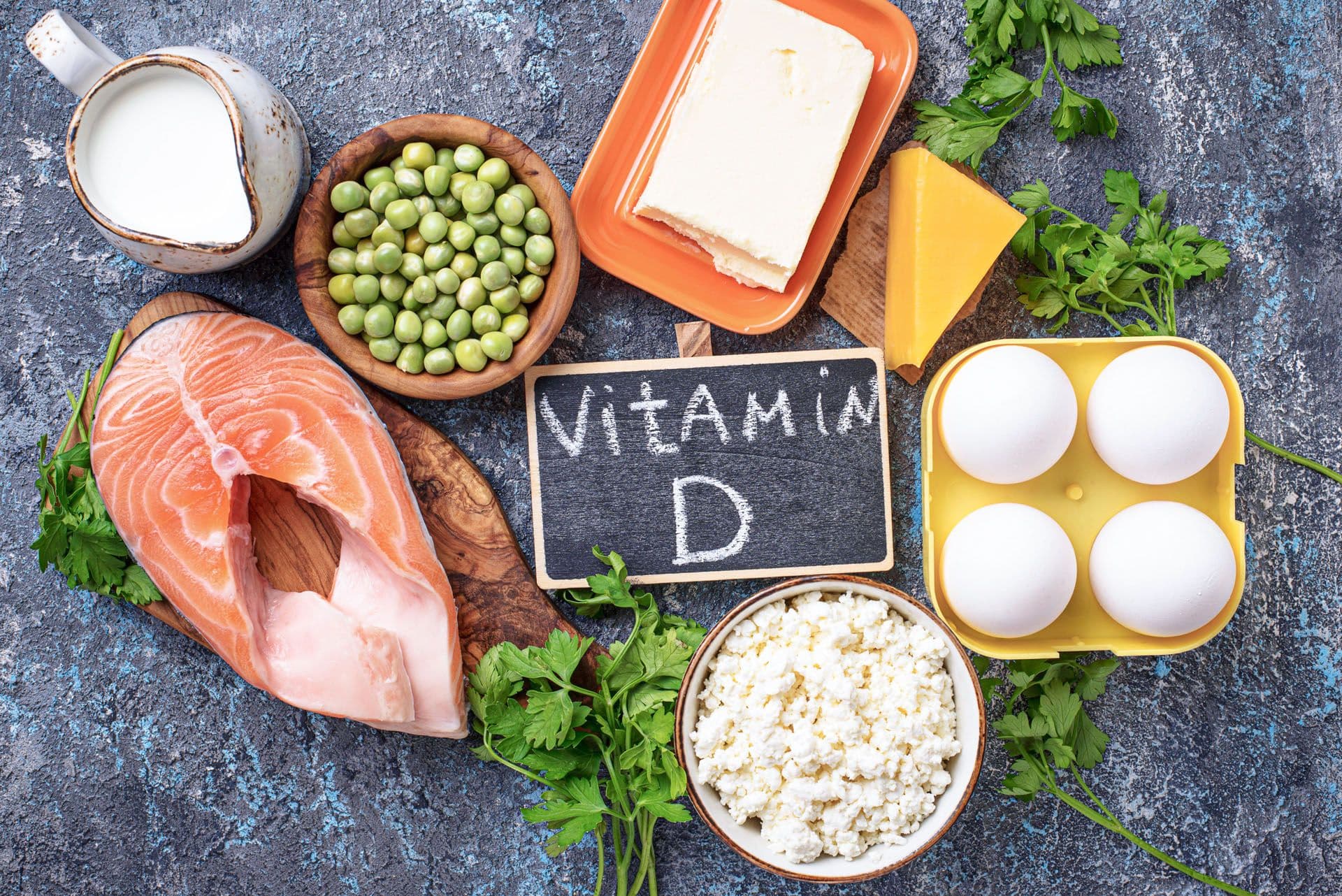
Vitamin D is a steroid hormone and is available in small quantities in food, but we primarily get our vitamin D from the sun’s UV ray’s when it penetrates the skin.
Hence why those people that live in the north and south latitudes of the earth should be sparing a thought to their stores of this nutrient. From the skin, the vitamin D travels to the liver and kidneys, where the active form is produced.
The active form is thought to support 100s of important biological processes in the body. These include supporting immune function, the growth and development of cells and building strong, healthy bones.
Vitamin D plays a large role in immunity by protecting the cells of the immune system (Credit: Adobe)
Vitamin D plays a large role in immunity by protecting the cells of the immune system for oxidative stress. It is for this reason many studies have linked a deficiency of vitamin D to many diseases, as well as poorer outcomes for those with existing disease.
With a reliance on the sun’s rays for production, low levels of vitamin D can occur in many different groups of people. The older we are the less ability we have at making the vitamin D in the skin, increasing the risk of deficiency.
Those with darker skin tones have more protection against the sun’s UV rays and therefore could be at risk, particularly if they do not live in a sunny climate.
Individual’s that cover their skin up for cultural or religious reasons, who work a night shift or who have been hospitalized will also have limited exposure to the sun.
It is estimated that in the USA alone that around 30% of people are significantly deficient in vitamin D.
We mainly get our vitamin D from sunlight (Credit: Adobe)
Vitamin D deficiency can present with fatigue or tiredness, bone or joint pains, muscle pain, low mood, low energy and more frequent infections. Severe deficiency has been linked with more serious chronic diseases and osteoporosis.
Vitamin D levels can be easily checked by a doctor or medical professional to explore whether deficiency is present and treatment with supplemental vitamin D can be very effective.
Vitamin D is commonly given as a intramuscular injection which could compliment other nutrients in other IV therapy such as vitamin B12 and vitamin C for the support of optimal health.
Sometimes genetic variations can make it more challenging for the body to use the vitamin D, and this can also be easily checked through a genetic test, assessing the enzymes that carry vitamin D around the body and use it for all of those 100+ biological processes.
To book your vitamin D test go to our website for more information www.revivme.com.

Subscribe to our newsletter
Get the latest articles and updates straight to your inbox.
SIMILAR NEWS

Fasting the facts

Menopause and IV drip therapy
OCTOBER 18, 2022
Identifying you are suffering symptoms of either perimenopause or menopause might not be as straight forward as it might seem. Recognising changes such as brain fog or unexplained weight gain is important in getting the diagnosis you need. Here we look at everything from what is the menopause, to treatments and how IV drip therapy might play a role in supporting wellness.

Preventative health: the future approach to managing your health
SEPTEMBER 16, 2020
Dr Michael Barnish
Preventative Health simply refers to anticipatory measures or interventions taken to prevent disease or ageing. Health, disease, and disability are dynamic processes in an individual’s life and therefore preventative healthcare must be equally dynamic, adaptable to the changes that occur. Preventative health is not traditionally a recognised specialty in many health authorities and doctors, like me, who dedicate their career to this specialty are few on the ground and fighting against a very conventional model of medicine, that often disregards the importance of this specialty, whether that consciously or subconsciously.